When storm season rolls through North Carolina, most homeowners start thinking about heavy rain, strong winds, fallen trees, and the possibility of expensive property damage.
What many people do not realize is that the structure of a tree often determines whether it holds up during severe weather or becomes a serious safety risk.
A tree can look completely healthy from the outside while still having structural weaknesses that make failure much more likely during storms.
One of the most common structural problems we see throughout Albemarle, Mount Gilead, Lake Tillery, Stanly County, and Montgomery County is something called a co-dominant tree.
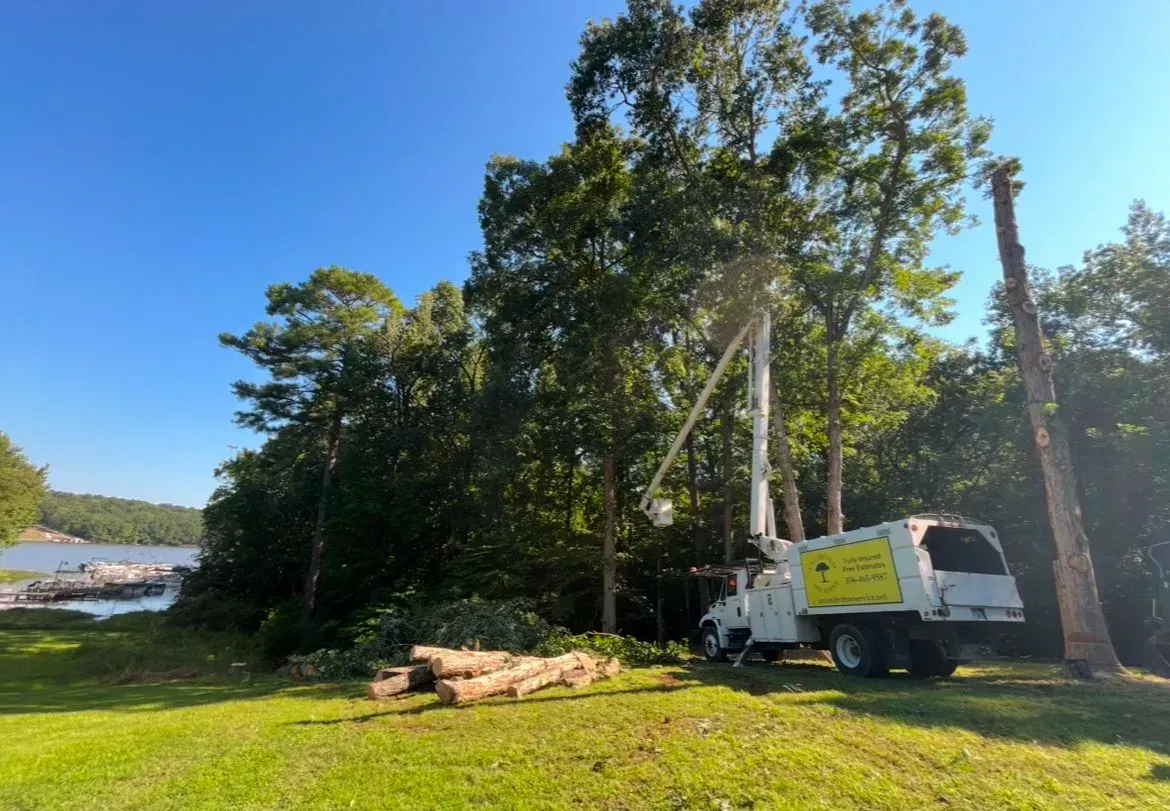
At Unlimited Tree Service, we respond to
storm damage and
emergency tree removal calls every year, where trees split unexpectedly during severe weather.
In many situations, these problems could have been identified before damage ever happened.
Understanding what to look for can help homeowners avoid expensive repairs and keep their property safer before storm season arrives.
What Is a Co-Dominant Tree?
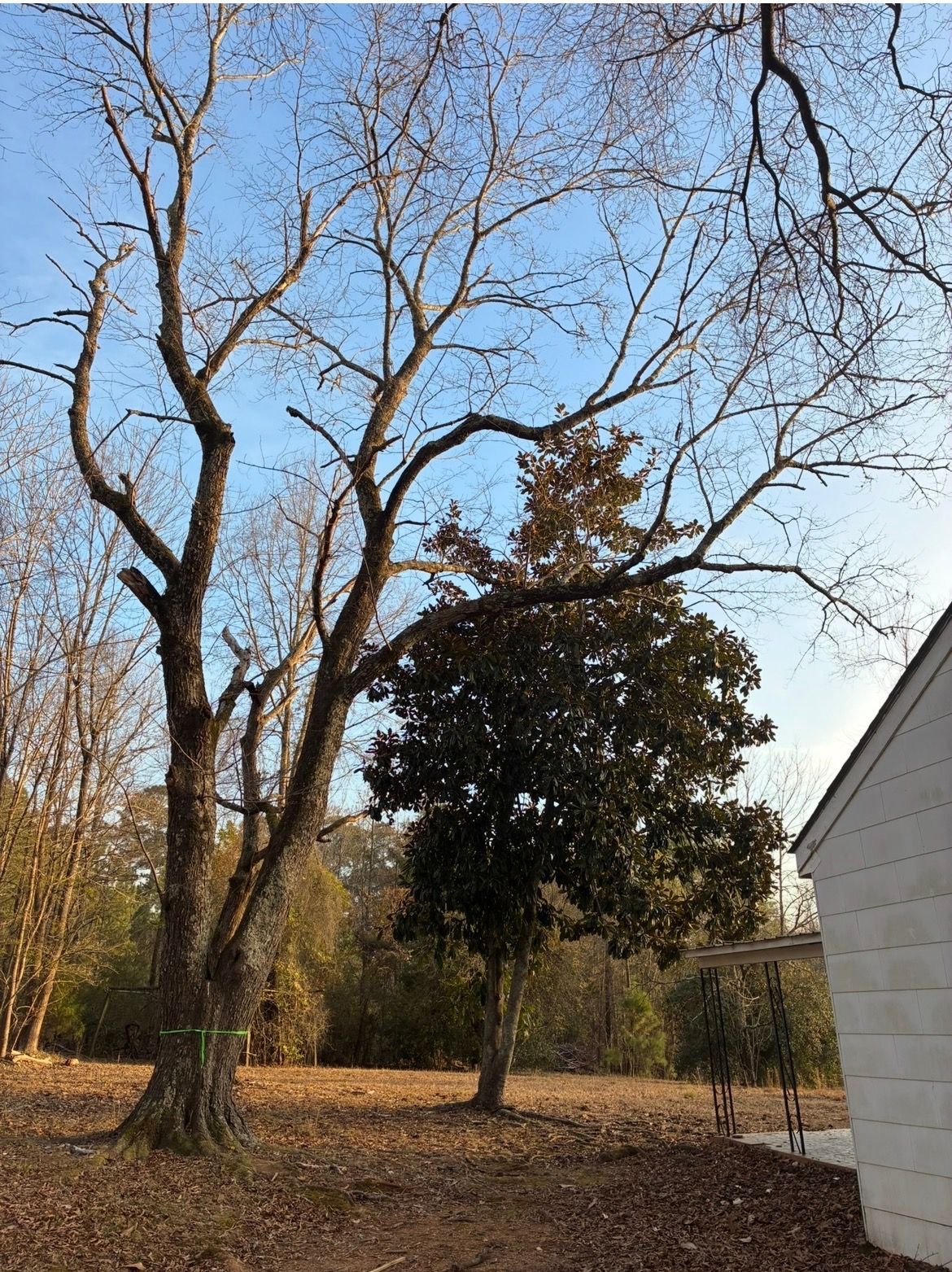
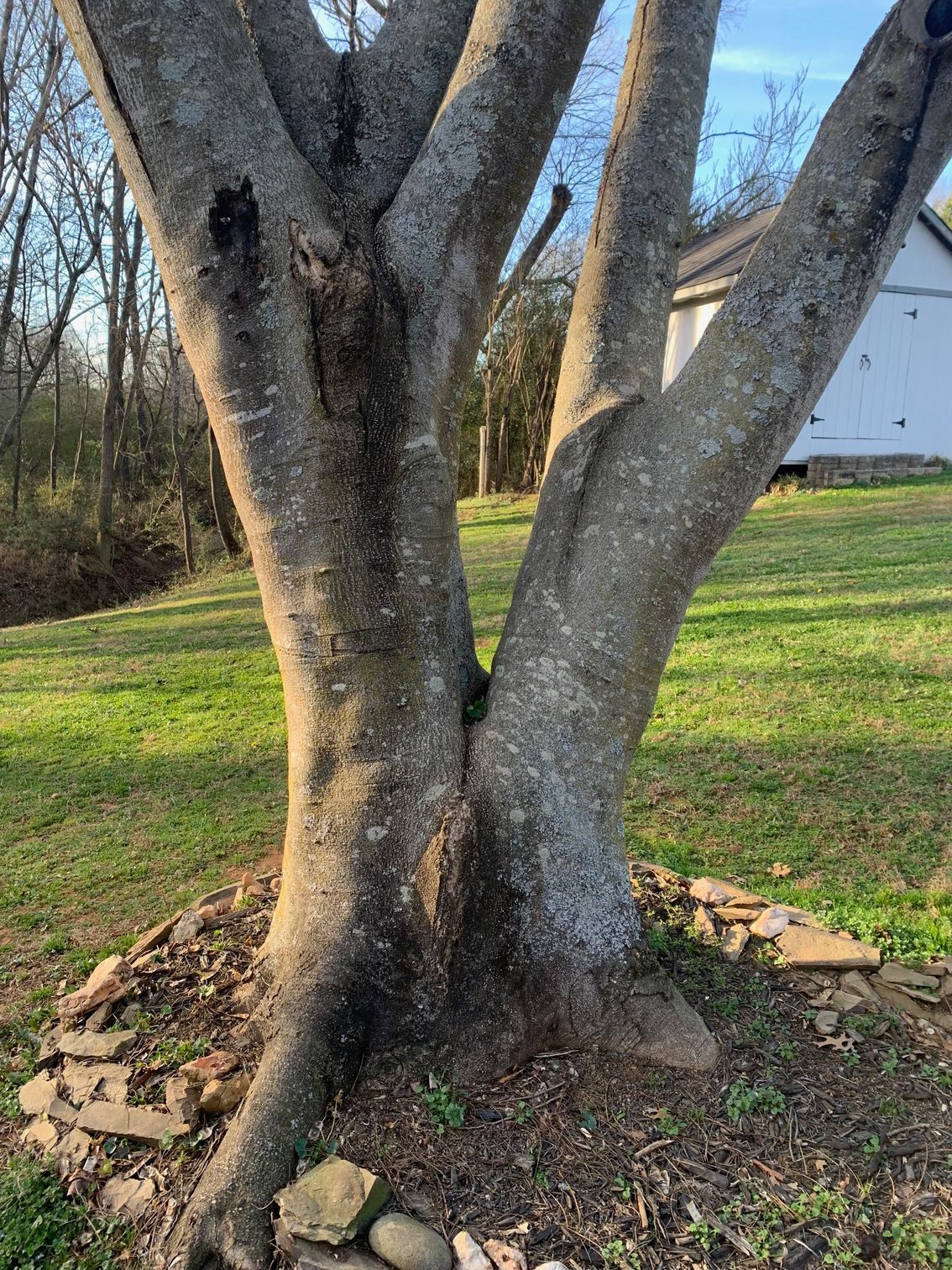
A co-dominant tree develops when two large main stems, often called leaders, grow from the same point instead of developing one strong central trunk.
At first glance, these trees often look completely normal.
The issue happens where those two stems connect.
Instead of forming one solid trunk structure, the tree develops a weak attachment point that becomes more vulnerable as the tree grows larger over time.
This commonly leads to structural problems such as:
- Included bark trapped between stems
- Weak connection points
- Uneven weight distribution
- Higher risk of splitting during severe weather
- Long-term structural weakness as the tree matures
The bigger the tree becomes, the greater the risk often becomes.
Why Co-Dominant Trees Become Dangerous During Storm Season
During storms, trees are exposed to intense forces like wind gusts and heavy rain. A structurally sound tree can typically withstand this. A co-dominant tree often cannot.
Here’s what makes them especially risky:
- Weak unions split easily under wind load
- Water saturation adds weight, increasing stress at the split point
- Sudden failure is common, even if the tree looked healthy beforehand
We regularly see these trees split right down the middle, especially during summer thunderstorms and hurricane season.
Signs You May Have a Problem Tree
You don’t need to be an arborist to spot potential issues. Here are a few signs to watch for:
- Two large trunks growing from the same point
- A visible crack forming where stems meet
- Bark pushed inward between stems (included bark)
- One side of the tree is heavier than the other
- Leaning or shifting after storms
If you notice any of these, it’s worth having a professional look before the next storm hits.
Why Proactive Tree Care Matters
Waiting until a tree fails can lead to:
- Roof damage
- Vehicle damage
- Fence and structure damage
- Power line impact
- Expensive emergency removal costs
- Risk to your family’s safety
Proactive trimming or removal is almost always more controlled, safer, and cost-effective than dealing with storm damage after the fact.
What We Recommend at Unlimited Tree Service
Every tree is different, but depending on the situation, we may recommend:
- Structural pruning to reduce weight and stress
- Full removal if the risk is too high
Our goal is simple: identify the risk early and help you make the best decision for your property and safety.
Schedule a Tree Evaluation Before the Next Storm
Storm season doesn’t wait, and neither should tree problems.
If you’re unsure about a tree on your property, Unlimited Tree Service can provide an honest evaluation and recommend the best course of action. A quick inspection now could save you thousands in damage later.
Call us or
fill out our form today to schedule a free estimate!